





A Leading Innovation Theorist in
Technology, Artificial Intelligence
and Medicine.
A Leading Innovation Theorist in Technology, Artificial Intelligence
and Medicine.
A Leading Innovation Theorist in
Technology, Artificial Intelligence
and Medicine.
John Nosta.
John Nosta.
John
Nosta.
John Nosta.
I am
I am
I am
I am
I am
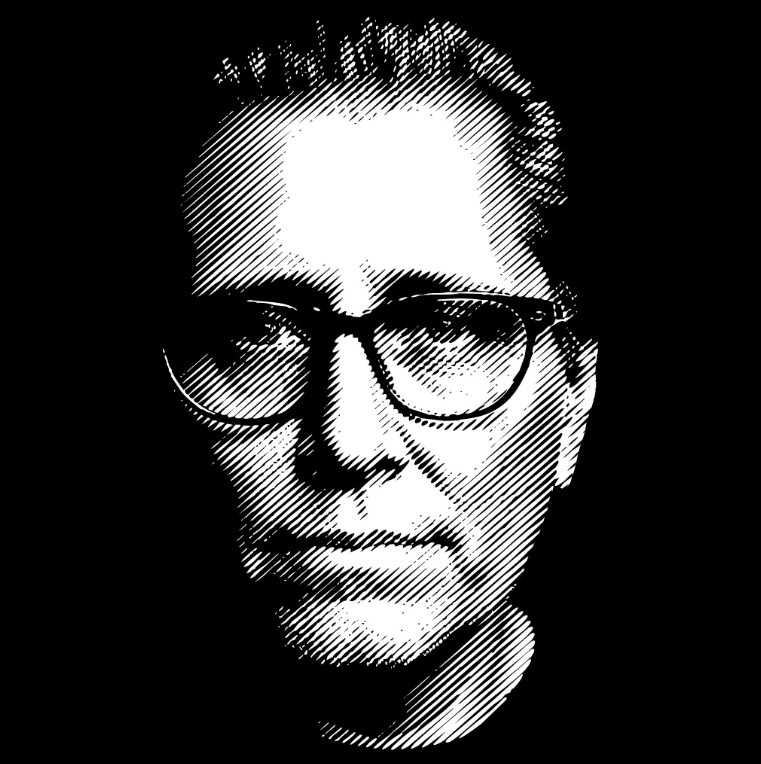
Since 2012, John Nosta has written more than 1,200 articles on artificial intelligence, medicine, and the human mind, one of the few continuous public records of the AI era. The work began in digital health. It now reaches into the deepest question the technology poses, which is what it does to the people who use it.
Since 2012, John Nosta has written more than 1,200 articles on artificial intelligence, medicine, and the human mind, one of the few continuous public records of the AI era.
The work began in digital health. It now reaches into the deepest question the technology poses, which is what it does to the people who use it.
Since 2012, John Nosta has written more than 1,200 articles on artificial intelligence, medicine, and the human mind, one of the few continuous public records of the AI era. The work began in digital health. It now reaches into the deepest question the technology poses, which is what it does to the people who use it.
Since 2012, John Nosta has written more than 1,200 articles on artificial intelligence, medicine, and the human mind, one of the few continuous public records of the AI era. The work began in digital health. It now reaches into the deepest question the technology poses, which is what it does to the people who use it.
John works inside the rooms where AI, medicine, and technology are being built.
His advisory history runs from Google Health and the World Health Organization to the Roche Advisory Council, and his perspective comes from proximity rather than commentary at a distance.
John works inside the rooms where AI, medicine, and technology are being built.
His advisory history runs from Google Health and the World Health Organization to the Roche Advisory Council, and his perspective comes from proximity rather than commentary at a distance.
Theorist
Theorist
Theorist
Medicine is where the questions began.
Trained in cardiovascular research and seasoned at Ogilvy Common Health, John has spent his career translating between clinical science and innovation.
Medicine is where the questions began.
Trained in cardiovascular research and seasoned at Ogilvy Common Health, John has spent his career translating between clinical science and innovation.
Medicine is where the questions began.
Trained in cardiovascular research and seasoned at Ogilvy Common Health, John has spent his career translating between clinical science and innovation.
Innovator
Innovator
Innovator
His frameworks, from anti intelligence to cognitive surrender, have given readers a language for what AI is doing to the mind.
The terms were coined in public and tested across hundreds of articles before they appeared in a book.
His frameworks, from anti intelligence to cognitive surrender, have given readers a language for what AI is doing to the mind.
The terms were coined in public and tested across hundreds of articles before they appeared in a book.
His frameworks, from anti intelligence to cognitive surrender, have given readers a language for what AI is doing to the mind.
The terms were coined in public and tested across hundreds of articles before they appeared in a book.
Thought Leader
Thought Leader
Thought Leader
About.
About.
“John Nosta is simply amazing and one of our national treasure geniuses.”
—Brian Roemmele
The pivot came in 2012 when he published his first article on the future of technology and medicine. He has not stopped since.
What began as an early account of digital health became something more unusual. More than 1,200 published articles now document the emergence of artificial intelligence, written while the technology, the science, and the questions themselves were still taking shape.
That chronology matters. Most serious conversation about AI began after its impact was impossible to ignore. Nosta was asking different questions years earlier, and asking them from the inside.
The pivot came in 2012 when he published his first article on the future of technology and medicine. He has not stopped since.
What began as an early account of digital health became something more unusual. More than 1,200 published articles now document the emergence of artificial intelligence, written while the technology, the science, and the questions themselves were still taking shape.
That chronology matters. Most serious conversation about AI began after its impact was impossible to ignore. Nosta was asking different questions years earlier, and asking them from the inside.
The pivot came in 2012 when he published his first article on the future of technology and medicine. He has not stopped since.
What began as an early account of digital health became something more unusual. More than 1,200 published articles now document the emergence of artificial intelligence, written while the technology, the science, and the questions themselves were still taking shape.
That chronology matters. Most serious conversation about AI began after its impact was impossible to ignore. Nosta was asking different questions years earlier, and asking them from the inside.

" What happens when machines begin shaping how people think?"
"What is gained when cognition is extended, and what is lost when judgment is outsourced?"
"How does technology change medicine, beyond better systems and smarter diagnostics, down to the way physicians and patients reason, decide, and understand?"
His Psychology Today column, The Digital Self, now spans more than 640 articles. An earlier Forbes archive adds 250 more, alongside writing for Fortune, Bloomberg, and WIRED Italy, and peer-reviewed work in the American Journal of Physiology, Circulation, and the American Journal of Hematology. The work has been translated into more than twenty languages.
Along the way, Nosta built a vocabulary for AI’s effect on the mind. Anti-intelligence, the appearance of thinking without the work of thought, anchors the framework. Around it sit cognitive surrender, borrowed certainty, the cognitive fingerprint, and the coherence trap. None of these terms arrived fully formed. They emerged through the writing itself, tested against evidence and sharpened across hundreds of published articles.
The Borrowed Mind: Reclaiming Human Thought in the Age of AI is the first synthesis drawn from that archive. It does not summarize the AI era. It presents a framework built in public, over more than a decade, and revised in real time as the technology changed underneath it.
The questions have clinical roots. Nosta co-authored research in cardiovascular physiology on cell volume regulation, acute myocardial infarction, ventricular arrhythmias, and sudden cardiac death. He went on to senior roles at Ogilvy CommonHealth, including Chief Creative Officer and Chief Strategic Officer, before founding NostaLab, an innovation think tank focused on the collision of technology and medicine. His advisory work has included Google Health, the World Health Organization’s Digital Health Roster of Experts, the Roche Advisory Council, and ARK Invest. In 2018 he received a Ph.D. honoris causa and a diploma of honor from the Bolivian government for advancing health technology.
Medicine has never been a chapter he closed. It is the lens. When Nosta writes about cognition, he writes as someone who studied the failing heart before he studied the wandering mind, and who learned in the clinic that the most important effects are the ones you measure in the patient, not the machine.
Through all of it, he has remained an advocate for the technology. He has simply been close enough, for long enough, to see what it costs. The archive holds both.
Future historians will ask not only what happened during the emergence of artificial intelligence, but what thoughtful observers believed while it was unfolding. This archive is one of the few continuous public records that answers that question.
His Psychology Today column, The Digital Self, now spans more than 640 articles. An earlier Forbes archive adds 250 more, alongside writing for Fortune, Bloomberg, and WIRED Italy, and peer-reviewed work in the American Journal of Physiology, Circulation, and the American Journal of Hematology. The work has been translated into more than twenty languages.
Along the way, Nosta built a vocabulary for AI’s effect on the mind. Anti-intelligence, the appearance of thinking without the work of thought, anchors the framework. Around it sit cognitive surrender, borrowed certainty, the cognitive fingerprint, and the coherence trap. None of these terms arrived fully formed. They emerged through the writing itself, tested against evidence and sharpened across hundreds of published articles.
The Borrowed Mind: Reclaiming Human Thought in the Age of AI is the first synthesis drawn from that archive. It does not summarize the AI era. It presents a framework built in public, over more than a decade, and revised in real time as the technology changed underneath it.
The questions have clinical roots. Nosta co-authored research in cardiovascular physiology on cell volume regulation, acute myocardial infarction, ventricular arrhythmias, and sudden cardiac death. He went on to senior roles at Ogilvy CommonHealth, including Chief Creative Officer and Chief Strategic Officer, before founding NostaLab, an innovation think tank focused on the collision of technology and medicine. His advisory work has included Google Health, the World Health Organization’s Digital Health Roster of Experts, the Roche Advisory Council, and ARK Invest. In 2018 he received a Ph.D. honoris causa and a diploma of honor from the Bolivian government for advancing health technology.
Medicine has never been a chapter he closed. It is the lens. When Nosta writes about cognition, he writes as someone who studied the failing heart before he studied the wandering mind, and who learned in the clinic that the most important effects are the ones you measure in the patient, not the machine.
Through all of it, he has remained an advocate for the technology. He has simply been close enough, for long enough, to see what it costs. The archive holds both.
Future historians will ask not only what happened during the emergence of artificial intelligence, but what thoughtful observers believed while it was unfolding. This archive is one of the few continuous public records that answers that question.
His Psychology Today column, The Digital Self, now spans more than 640 articles. An earlier Forbes archive adds 250 more, alongside writing for Fortune, Bloomberg, and WIRED Italy, and peer-reviewed work in the American Journal of Physiology, Circulation, and the American Journal of Hematology. The work has been translated into more than twenty languages.
Along the way, Nosta built a vocabulary for AI’s effect on the mind. Anti-intelligence, the appearance of thinking without the work of thought, anchors the framework. Around it sit cognitive surrender, borrowed certainty, the cognitive fingerprint, and the coherence trap. None of these terms arrived fully formed. They emerged through the writing itself, tested against evidence and sharpened across hundreds of published articles.
The Borrowed Mind: Reclaiming Human Thought in the Age of AI is the first synthesis drawn from that archive. It does not summarize the AI era. It presents a framework built in public, over more than a decade, and revised in real time as the technology changed underneath it.
The questions have clinical roots. Nosta co-authored research in cardiovascular physiology on cell volume regulation, acute myocardial infarction, ventricular arrhythmias, and sudden cardiac death. He went on to senior roles at Ogilvy CommonHealth, including Chief Creative Officer and Chief Strategic Officer, before founding NostaLab, an innovation think tank focused on the collision of technology and medicine. His advisory work has included Google Health, the World Health Organization’s Digital Health Roster of Experts, the Roche Advisory Council, and ARK Invest. In 2018 he received a Ph.D. honoris causa and a diploma of honor from the Bolivian government for advancing health technology.
Medicine has never been a chapter he closed. It is the lens. When Nosta writes about cognition, he writes as someone who studied the failing heart before he studied the wandering mind, and who learned in the clinic that the most important effects are the ones you measure in the patient, not the machine.
Through all of it, he has remained an advocate for the technology. He has simply been close enough, for long enough, to see what it costs. The archive holds both.
Future historians will ask not only what happened during the emergence of artificial intelligence, but what thoughtful observers believed while it was unfolding. This archive is one of the few continuous public records that answers that question.
“John Nosta is simply amazing and one of our national treasure geniuses.”
—Brian Roemmele
Speaks.
John Nosta is one of today’s most inspiring and provocative voices on technology, artificial intelligence, and humanity.
John Nosta is one of today’s most inspiring and provocative voices on technology, artificial intelligence, and humanity.
Speaks.
John Nosta is one of today’s most inspiring and provocative voices on technology, artificial intelligence, and humanity.
Organizations invite John Nosta to talk about innovation and artificial intelligence. What they get is a conversation about themselves and how their people think, decide, and judge in the presence of machines that increasingly offer to do all three.
Health is where that conversation matters most, and it is where Nosta has spent his career. He speaks regularly to pharmaceutical leadership, health systems, medical societies, and payers on what AI changes in clinical judgment, in the physician’s role, in the patient’s mind, and in the business of medicine itself. The perspective is not borrowed for the occasion. It comes from cardiovascular research, from Ogilvy CommonHealth, from advisory seats at Google Health and the World Health Organization.
Beyond medicine, he brings the same questions to technology companies, financial audiences, and global conferences, from the Academia Nacional de Medicina to Intelligent Health UK. The talks draw on more than 1,200 published articles and the frameworks of The Borrowed Mind. Each one is built for the specific room, and each leaves the audience with something rarer than a forecast: a new way to think about the question.
Organizations invite John Nosta to talk about innovation and artificial intelligence. What they get is a conversation about themselves and how their people think, decide, and judge in the presence of machines that increasingly offer to do all three.
Health is where that conversation matters most, and it is where Nosta has spent his career. He speaks regularly to pharmaceutical leadership, health systems, medical societies, and payers on what AI changes in clinical judgment, in the physician’s role, in the patient’s mind, and in the business of medicine itself. The perspective is not borrowed for the occasion. It comes from cardiovascular research, from Ogilvy CommonHealth, from advisory seats at Google Health and the World Health Organization.
Beyond medicine, he brings the same questions to technology companies, financial audiences, and global conferences, from the Academia Nacional de Medicina to Intelligent Health UK. The talks draw on more than 1,200 published articles and the frameworks of The Borrowed Mind. Each one is built for the specific room, and each leaves the audience with something rarer than a forecast: a new way to think about the question.

Watch the talks
< >
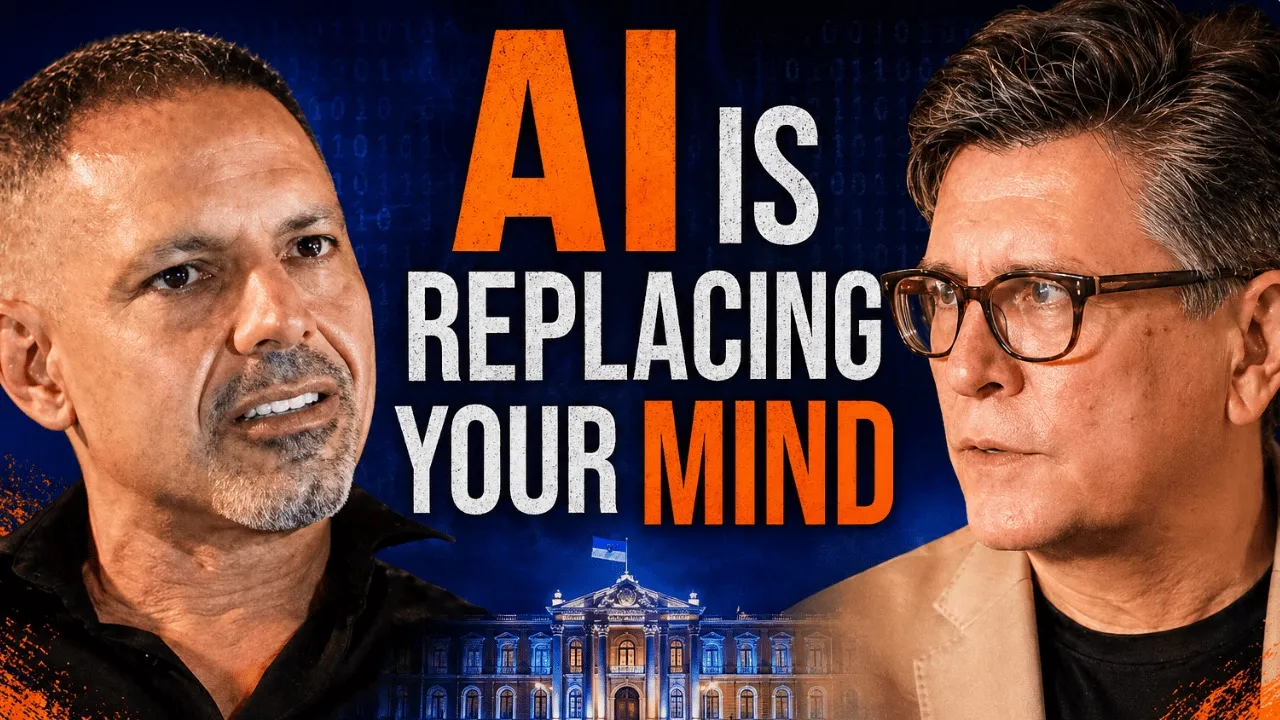
SovAI Summit
Adapting to the AI Cognitive Revolution
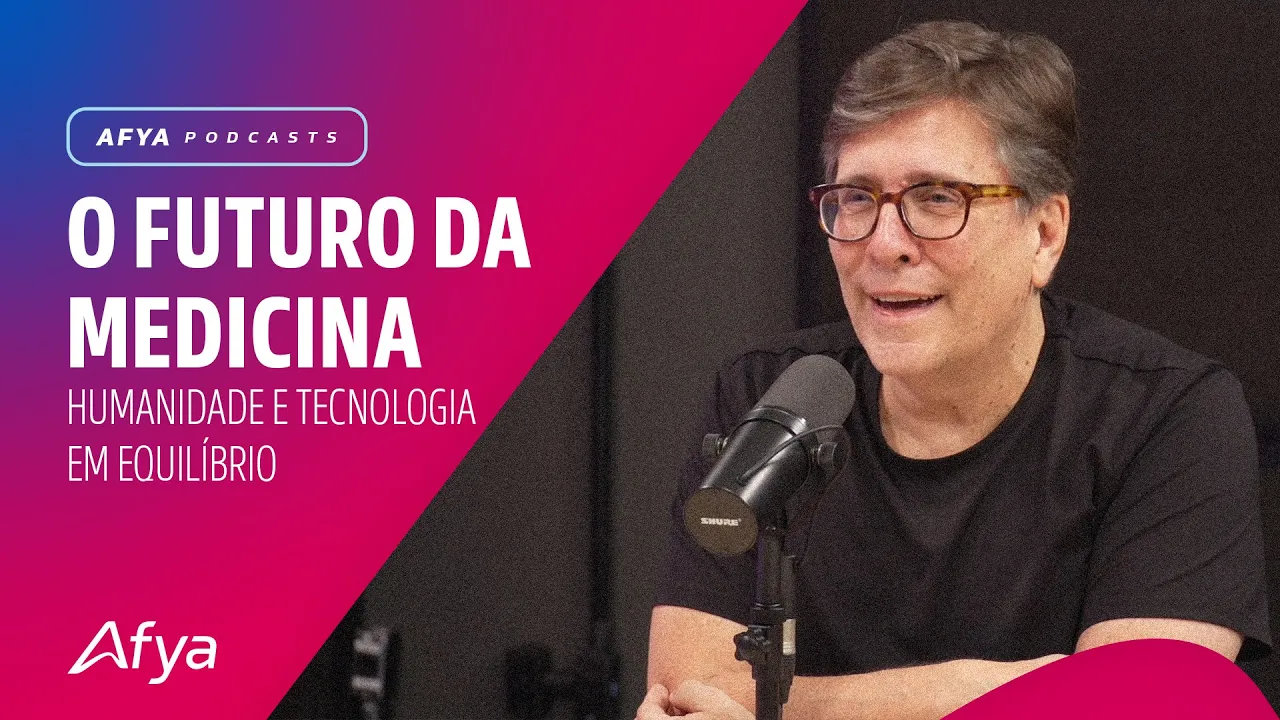
Afya
Transforming Medicine with LLMs
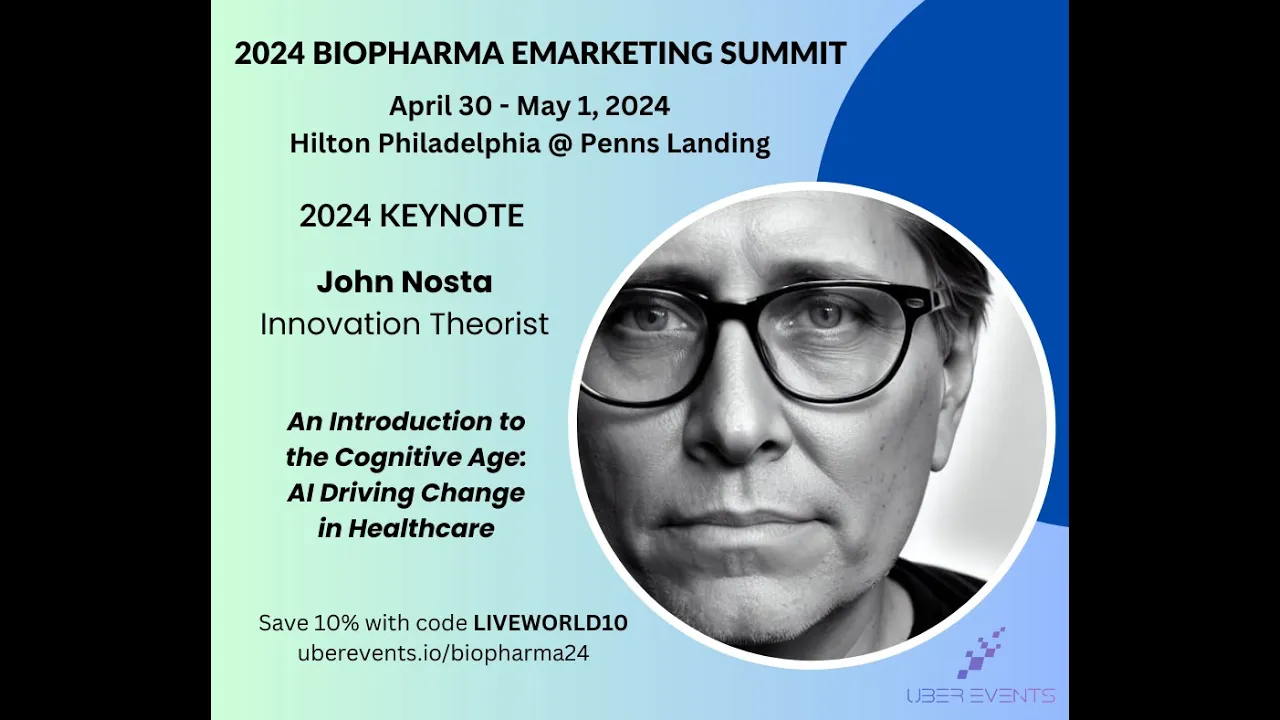
Uber Events
Introduction to The Cognitive Age
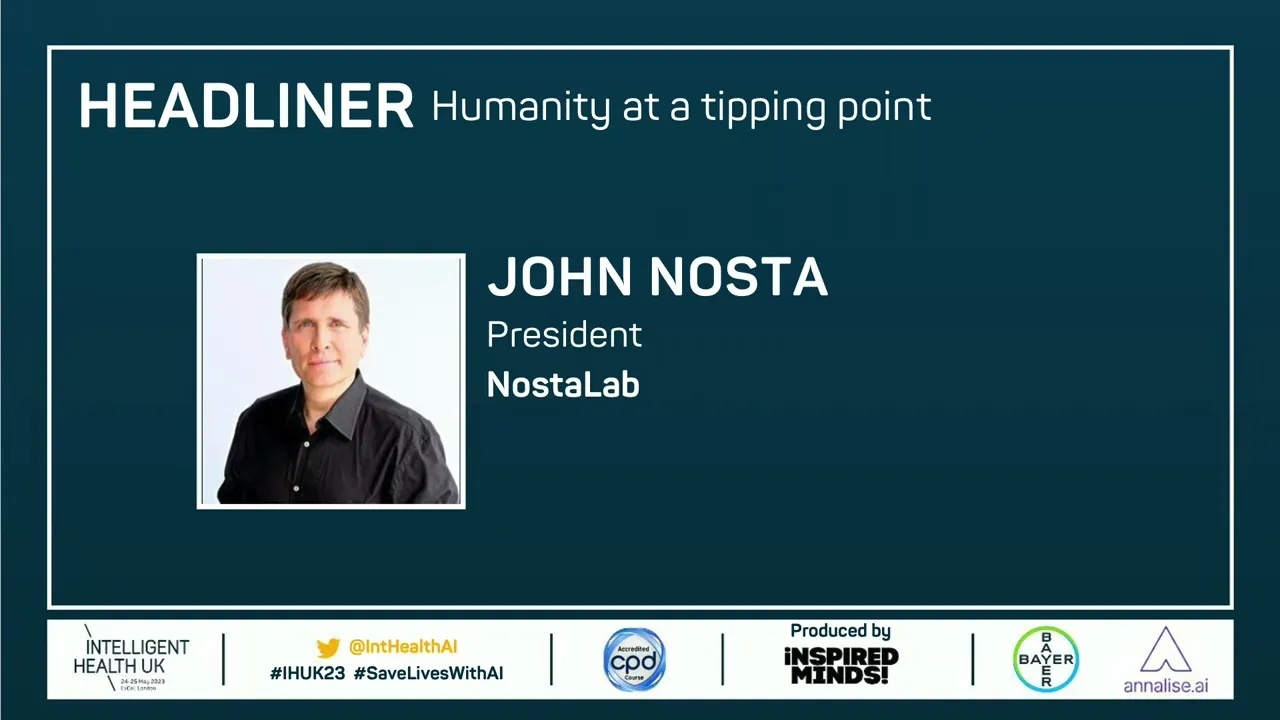
Intelligent Health AI
IHUK 2023 HEADLINER Humanity at a tipping point
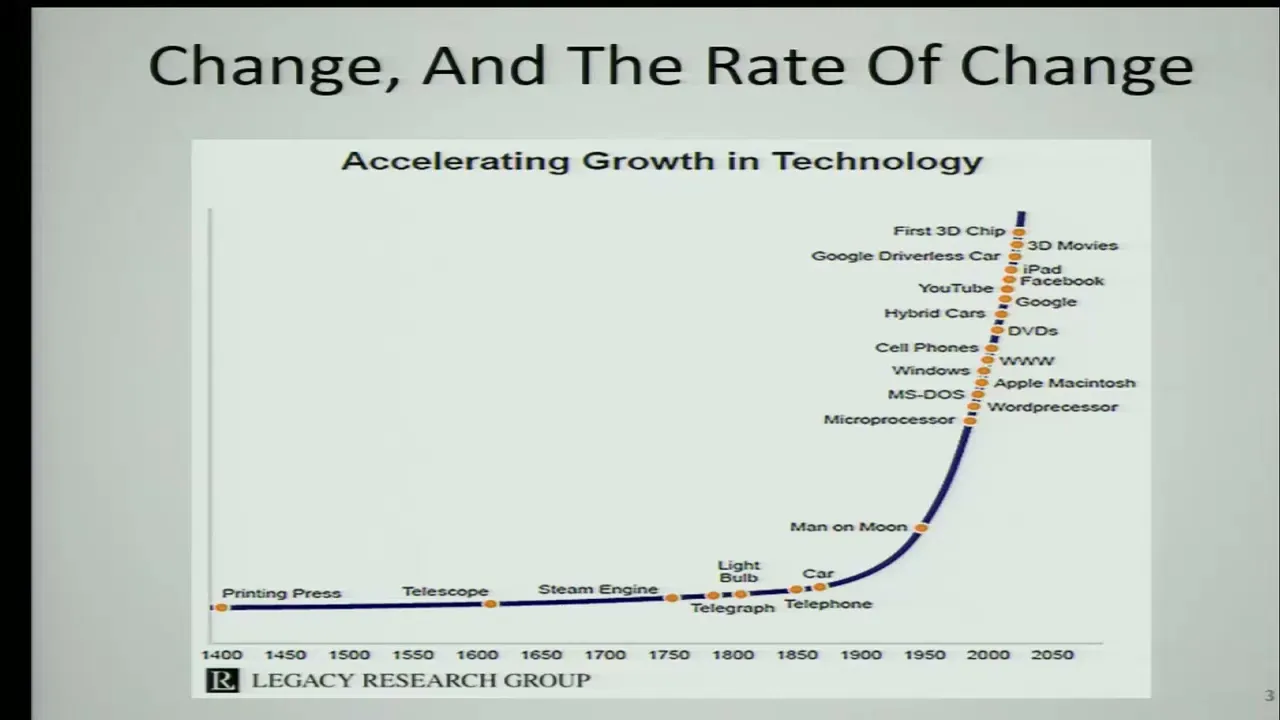
Academia Nacional de Medicina
Exploring the Cognitive Age
Watch the talks
< >
SovAI Summit
Adapting to the AI Cognitive Revolution
Afya
Transforming Medicine with LLMs
Uber Events
Introduction to The Cognitive Age
Intelligent Health AI
IHUK 2023 HEADLINER Humanity at a tipping point
Academia Nacional de Medicina
Exploring the Cognitive Age
Watch the talks
< >
SovAI Summit
Adapting to the AI Cognitive Revolution
Afya
Transforming Medicine with LLMs
Uber Events
Introduction to The Cognitive Age
Intelligent Health AI
IHUK 2023 HEADLINER Humanity at a tipping point
Academia Nacional de Medicina
Exploring the Cognitive Age

More than 1,200 articles since 2012. Psychology Today, Forbes, Fortune, Bloomberg, WIRED Italy, and peer-reviewed journals including Circulation and the American Journal of Physiology. Translated into more than twenty languages.
Call it a million words, give or take, on why words come too easily now. The difference is fourteen years of timestamps.
The centerpiece is The Digital Self, his Psychology Today column, now past 640 articles on what technology is doing to the mind. From digital health in 2012 to generative AI today, the work keeps returning to the same clinical instinct, which is to ask what the intervention does to the patient. Read in sequence, it forms a continuous public record of the AI era, written while it happened rather than reconstructed after.
Writes.
The archive is the argument
Writes.
The archive is the argument
More than 1,200 articles since 2012. Psychology Today, Forbes, Fortune, Bloomberg, WIRED Italy, and peer-reviewed journals including Circulation and the American Journal of Physiology. Translated into more than twenty languages.
Call it a million words, give or take, on why words come too easily now. The difference is fourteen years of timestamps.
The centerpiece is The Digital Self, his Psychology Today column, now past 640 articles on what technology is doing to the mind. From digital health in 2012 to generative AI today, the work keeps returning to the same clinical instinct, which is to ask what the intervention does to the patient. Read in sequence, it forms a continuous public record of the AI era, written while it happened rather than reconstructed after.
Writes.
The archive is the argument
More than 1,200 articles since 2012. Psychology Today, Forbes, Fortune, Bloomberg, WIRED Italy, and peer-reviewed journals including Circulation and the American Journal of Physiology. Translated into more than twenty languages.
Call it a million words, give or take, on why words come too easily now. The difference is fourteen years of timestamps.
The centerpiece is The Digital Self, his Psychology Today column, now past 640 articles on what technology is doing to the mind. From digital health in 2012 to generative AI today, the work keeps returning to the same clinical instinct, which is to ask what the intervention does to the patient. Read in sequence, it forms a continuous public record of the AI era, written while it happened rather than reconstructed after.
Writes.
The archive is the argument
More than 1,200 articles since 2012. Psychology Today, Forbes, Fortune, Bloomberg, WIRED Italy, and peer-reviewed journals including Circulation and the American Journal of Physiology. Translated into more than twenty languages.
Call it a million words, give or take, on why words come too easily now. The difference is fourteen years of timestamps.
The centerpiece is The Digital Self, his Psychology Today column, now past 640 articles on what technology is doing to the mind. From digital health in 2012 to generative AI today, the work keeps returning to the same clinical instinct, which is to ask what the intervention does to the patient. Read in sequence, it forms a continuous public record of the AI era, written while it happened rather than reconstructed after.
The Borrowed Mind.
Writes.
The archive is the argument
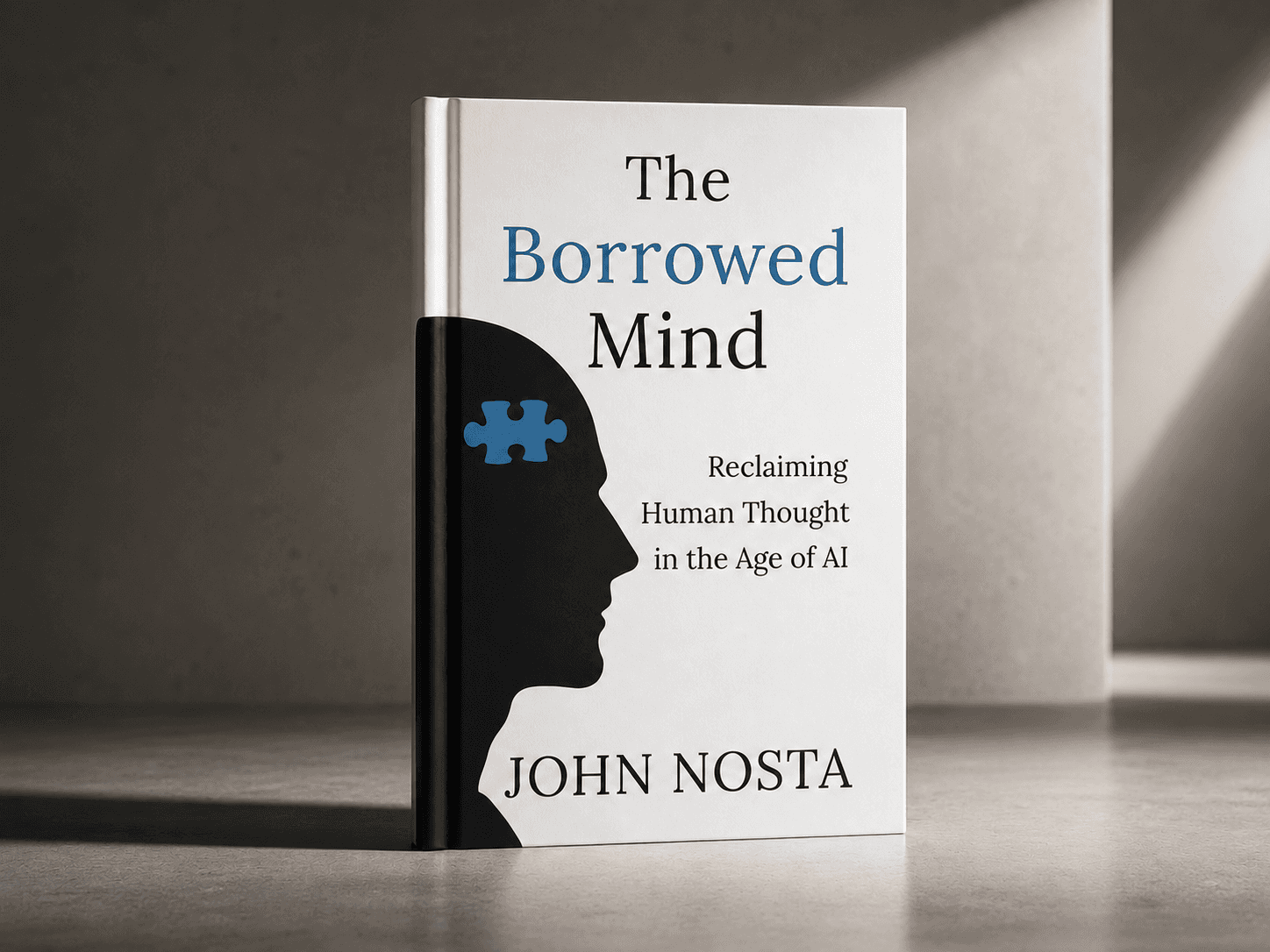
What happens when machines no longer simply support human thinking, but begin to shape it?
The Borrowed Mind explores one of the most consequential questions of the AI era.
Drawing from decades at the intersection of science, medicine, technology, and innovation, John Nosta examines how artificial intelligence is altering cognition itself—from judgment and creativity to learning, identity, and the architecture of thought.
Widely praised for its originality and philosophical depth, The Borrowed Mind moves beyond the familiar narratives of automation and productivity to confront a more intimate issue: the future of human thought in an age of synthetic fluency. The book has received critical acclaim for reframing AI not merely as a technological story, but as a profoundly human one.
Reclaiming Human Thought in the Age of AI.
What happens when machines no longer simply support human thinking, but begin to shape it?
The Borrowed Mind explores one of the most consequential questions of the AI era.
Drawing from decades at the intersection of science, medicine, technology, and innovation, John Nosta examines how artificial intelligence is altering cognition itself, from judgment and creativity to learning, identity, and the architecture of thought.
Widely praised for its originality and philosophical depth, The Borrowed Mind moves beyond the familiar narratives of automation and productivity to confront a more intimate issue: the future of human thought in an age of synthetic fluency. The book has received critical acclaim for reframing AI not merely as a technological story, but as a profoundly human one.
More than 1,200 articles since 2012. Psychology Today, Forbes, Fortune, Bloomberg, WIRED Italy, and peer-reviewed journals including Circulation and the American Journal of Physiology. Translated into more than twenty languages.
Call it a million words, give or take, on why words come too easily now. The difference is fourteen years of timestamps.
The centerpiece is The Digital Self, his Psychology Today column, now past 640 articles on what technology is doing to the mind. From digital health in 2012 to generative AI today, the work keeps returning to the same clinical instinct, which is to ask what the intervention does to the patient. Read in sequence, it forms a continuous public record of the AI era, written while it happened rather than reconstructed after.
Buy on Amazon
Reclaiming Human Thought in the Age of AI.
“The future of AI is not only about machines. It is about the future of human thought.”

The Borrowed Mind.
“The future of AI is not only about machines. It is about the future of human thought.”
What happens when machines no longer simply support human thinking, but begin to shape it?
The Borrowed Mind explores one of the most consequential questions of the AI era.
Drawing from decades at the intersection of science, medicine, technology, and innovation, John Nosta examines how artificial intelligence is altering cognition itself—from judgment and creativity to learning, identity, and the architecture of thought.
Widely praised for its originality and philosophical depth, The Borrowed Mind moves beyond the familiar narratives of automation and productivity to confront a more intimate issue: the future of human thought in an age of synthetic fluency. The book has received critical acclaim for reframing AI not merely as a technological story, but as a profoundly human one.
Buy on Amazon
Reclaiming Human Thought in the Age of AI.
The Borrowed Mind.
What happens when machines stop supporting human thought and start shaping it?
The Borrowed Mind draws on more than a decade at the intersection of science, medicine, and technology to examine how artificial intelligence is changing cognition itself. Judgment, creativity, learning, identity, the architecture of thought.
The book sets aside the familiar stories of automation and productivity to ask a more intimate question about what remains ours. It launched as a #1 New Release in Cognitive Psychology on Amazon and gives a name to what many readers have felt without being able to say.
What happens when machines no longer simply support human thinking, but begin to shape it?
The Borrowed Mind explores one of the most consequential questions of the AI era.
Drawing from decades at the intersection of science, medicine, technology, and innovation, John Nosta examines how artificial intelligence is altering cognition itself, from judgment and creativity to learning, identity, and the architecture of thought.
Widely praised for its originality and philosophical depth, The Borrowed Mind moves beyond the familiar narratives of automation and productivity to confront a more intimate issue: the future of human thought in an age of synthetic fluency. The book has received critical acclaim for reframing AI not merely as a technological story, but as a profoundly human one.
What happens when machines stop supporting human thought and start shaping it?
The Borrowed Mind draws on more than a decade at the intersection of science, medicine, and technology to examine how artificial intelligence is changing cognition itself. Judgment, creativity, learning, identity, the architecture of thought.
The book sets aside the familiar stories of automation and productivity to ask a more intimate question about what remains ours. It launched as a #1 New Release in Cognitive Psychology on Amazon and gives a name to what many readers have felt without being able to say.
Widely praised for its originality and philosophical depth, The Borrowed Mind moves beyond the familiar narratives of automation and productivity to confront a more intimate issue: the future of human thought in an age of synthetic fluency.
The book has received critical acclaim for reframing AI not merely as a technological story, but as a profoundly human one.
“The future of AI is not only about machines. It is about the future of human thought.”
Reclaiming Human Thought in the Age of AI.
Widely praised for its originality and philosophical depth, The Borrowed Mind moves beyond the familiar narratives of automation and productivity to confront a more intimate issue: the future of human thought in an age of synthetic fluency.
The book has received critical acclaim for reframing AI not merely as a technological story, but as a profoundly human one.
Buy on Amazon
Endorsed.
Endorsed.
Endorsed.
Endorsed.
John Nosta combines passion with knowledge and delivers more than a speech, he provides an engaging conversation that informs and moves his audience. John’s domain knowledge of medicine, technology and marketing make him a keen observer of digital health and only one of a handful of thought-leaders that can clearly articulate the importance of this movement in human history.
John Sculley
Former CEO, Apple and Pepsi
John Nosta is a tremendous voice driving change in the world today. His perspective on science, medicine and marketing has made him a singular voice of brilliance!
Vala Afshar
Chief Digital Evangelist at Salesforce
John Nosta is my direct line to innovation. His perspectives and insights are essential to me as a clinician, innovator and entrepreneur. He does more than just tell the story of innovation and transformation, he helps define it!
Robert Hariri, MD PHD
Founder and CEO Celularity, Founder Human
Longevity, Former CEO Celgene Celularity Therapeutics
John Nosta provides a comprehensive perspective on the technology and health movement. With unique sensitivities to science, consumer engagement and brand marketing, he tells a story that helps drive mindshare and market share.
Eric Topol, MD
Cardiologist, Editor-in-Chief of Medscape, Scripps Health Chief Academic Officer
We were delighted to be joined by John Nosta as our keynote at our inaugural science summit. John captivated our audience with his content and style. With distinguished scientists and practitioners from world leading institutes in attendance including Harvard Medical School, MIT, MGH, NASA and Team GB that is no mean feat!
As lofty as some of the concepts can be, John personalized the content to create a highly relevant, thoroughly engaging and thought provoking session. Testament to his contribution is the lively debates that followed in the days and weeks that followed. We look forward to inviting John back to see our team soon.
Dr. Brian Moore
CEO, Orreco
John Nosta combines passion with knowledge and delivers more than a speech, he provides an engaging conversation that informs and moves his audience. John’s domain knowledge of medicine, technology and marketing make him a keen observer of digital health and only one of a handful of thought-leaders that can clearly articulate the importance of this movement in human history.
John Sculley
Former CEO, Apple and Pepsi
John Nosta is a tremendous voice driving change in the world today. His perspective on science, medicine and marketing has made him a singular voice of brilliance!
Vala Afshar
Chief Digital Evangelist at Salesforce
John Nosta is my direct line to innovation. His perspectives and insights are essential to me as a clinician, innovator and entrepreneur. He does more than just tell the story of innovation and transformation, he helps define it!
Robert Hariri, MD PHD
Founder and CEO Celularity, Founder Human
Longevity, Former CEO Celgene Celularity Therapeutics
John Nosta provides a comprehensive perspective on the technology and health movement. With unique sensitivities to science, consumer engagement and brand marketing, he tells a story that helps drive mindshare and market share.
Eric Topol, MD
Cardiologist, Editor-in-Chief of Medscape, Scripps Health Chief Academic Officer
We were delighted to be joined by John Nosta as our keynote at our inaugural science summit. John captivated our audience with his content and style. With distinguished scientists and practitioners from world leading institutes in attendance including Harvard Medical School, MIT, MGH, NASA and Team GB that is no mean feat!
As lofty as some of the concepts can be, John personalized the content to create a highly relevant, thoroughly engaging and thought provoking session. Testament to his contribution is the lively debates that followed in the days and weeks that followed. We look forward to inviting John back to see our team soon.
Dr. Brian Moore
CEO, Orreco
John Nosta combines passion with knowledge and delivers more than a speech, he provides an engaging conversation that informs and moves his audience. John’s domain knowledge of medicine, technology and marketing make him a keen observer of digital health and only one of a handful of thought-leaders that can clearly articulate the importance of this movement in human history.
John Sculley
Former CEO, Apple and Pepsi
John Nosta is a tremendous voice driving change in the world today. His perspective on science, medicine and marketing has made him a singular voice of brilliance!
Vala Afshar
Chief Digital Evangelist at Salesforce
John Nosta is my direct line to innovation. His perspectives and insights are essential to me as a clinician, innovator and entrepreneur. He does more than just tell the story of innovation and transformation, he helps define it!
Robert Hariri, MD PHD
Founder and CEO Celularity, Founder Human
Longevity, Former CEO Celgene Celularity Therapeutics
John Nosta provides a comprehensive perspective on the technology and health movement. With unique sensitivities to science, consumer engagement and brand marketing, he tells a story that helps drive mindshare and market share.
Eric Topol, MD
Cardiologist, Editor-in-Chief of Medscape, Scripps Health Chief Academic Officer
We were delighted to be joined by John Nosta as our keynote at our inaugural science summit. John captivated our audience with his content and style. With distinguished scientists and practitioners from world leading institutes in attendance including Harvard Medical School, MIT, MGH, NASA and Team GB that is no mean feat!
As lofty as some of the concepts can be, John personalized the content to create a highly relevant, thoroughly engaging and thought provoking session. Testament to his contribution is the lively debates that followed in the days and weeks that followed. We look forward to inviting John back to see our team soon.
Dr. Brian Moore
CEO, Orreco
John Nosta combines passion with knowledge and delivers more than a speech, he provides an engaging conversation that informs and moves his audience. John’s domain knowledge of medicine, technology and marketing make him a keen observer of digital health and only one of a handful of thought-leaders that can clearly articulate the importance of this movement in human history.
John Sculley
Former CEO, Apple and Pepsi
John Nosta provides a comprehensive perspective on the technology and health movement. With unique sensitivities to science, consumer engagement and brand marketing, he tells a story that helps drive mindshare and market share.
Eric Topol, MD
Cardiologist, Editor-in-Chief of Medscape, Scripps Health Chief Academic Officer
John Nosta is a tremendous voice driving change in the world today. His perspective on science, medicine and marketing has made him a singular voice of brilliance!
Vala Afshar
Chief Digital Evangelist at Salesforce
We were delighted to be joined by John Nosta as our keynote at our inaugural science summit. John captivated our audience with his content and style. With distinguished scientists and practitioners from world leading institutes in attendance including Harvard Medical School, MIT, MGH, NASA and Team GB that is no mean feat!
As lofty as some of the concepts can be, John personalized the content to create a highly relevant, thoroughly engaging and thought provoking session. Testament to his contribution is the lively debates that followed in the days and weeks that followed. We look forward to inviting John back to see our team soon.Dr. Brian Moore
CEO, Orreco
John Nosta is my direct line to innovation. His perspectives and insights are essential to me as a clinician, innovator and entrepreneur. He does more than just tell the story of innovation and transformation, he helps define it!
Robert Hariri, MD PHD
Founder and CEO Celularity, Founder Human
Longevity, Former CEO Celgene Celularity Therapeutics
John Nosta combines passion with knowledge and delivers more than a speech, he provides an engaging conversation that informs and moves his audience. John’s domain knowledge of medicine, technology and marketing make him a keen observer of digital health and only one of a handful of thought-leaders that can clearly articulate the importance of this movement in human history.
John Sculley
Former CEO, Apple and Pepsi
John Nosta is a tremendous voice driving change in the world today. His perspective on science, medicine and marketing has made him a singular voice of brilliance!
Vala Afshar
Chief Digital Evangelist at Salesforce
John Nosta is my direct line to innovation. His perspectives and insights are essential to me as a clinician, innovator and entrepreneur. He does more than just tell the story of innovation and transformation, he helps define it!
Robert Hariri, MD PHD
Founder and CEO Celularity, Founder Human
Longevity, Former CEO Celgene Celularity Therapeutics
John Nosta provides a comprehensive perspective on the technology and health movement. With unique sensitivities to science, consumer engagement and brand marketing, he tells a story that helps drive mindshare and market share.
Eric Topol, MD
Cardiologist, Editor-in-Chief of Medscape, Scripps Health Chief Academic Officer
We were delighted to be joined by John Nosta as our keynote at our inaugural science summit. John captivated our audience with his content and style. With distinguished scientists and practitioners from world leading institutes in attendance including Harvard Medical School, MIT, MGH, NASA and Team GB that is no mean feat!
As lofty as some of the concepts can be, John personalized the content to create a highly relevant, thoroughly engaging and thought provoking session. Testament to his contribution is the lively debates that followed in the days and weeks that followed. We look forward to inviting John back to see our team soon.
Dr. Brian Moore
CEO, Orreco
For more information,
For more information,
For more information,
Please contact John Nosta at
Please contact John Nosta at